

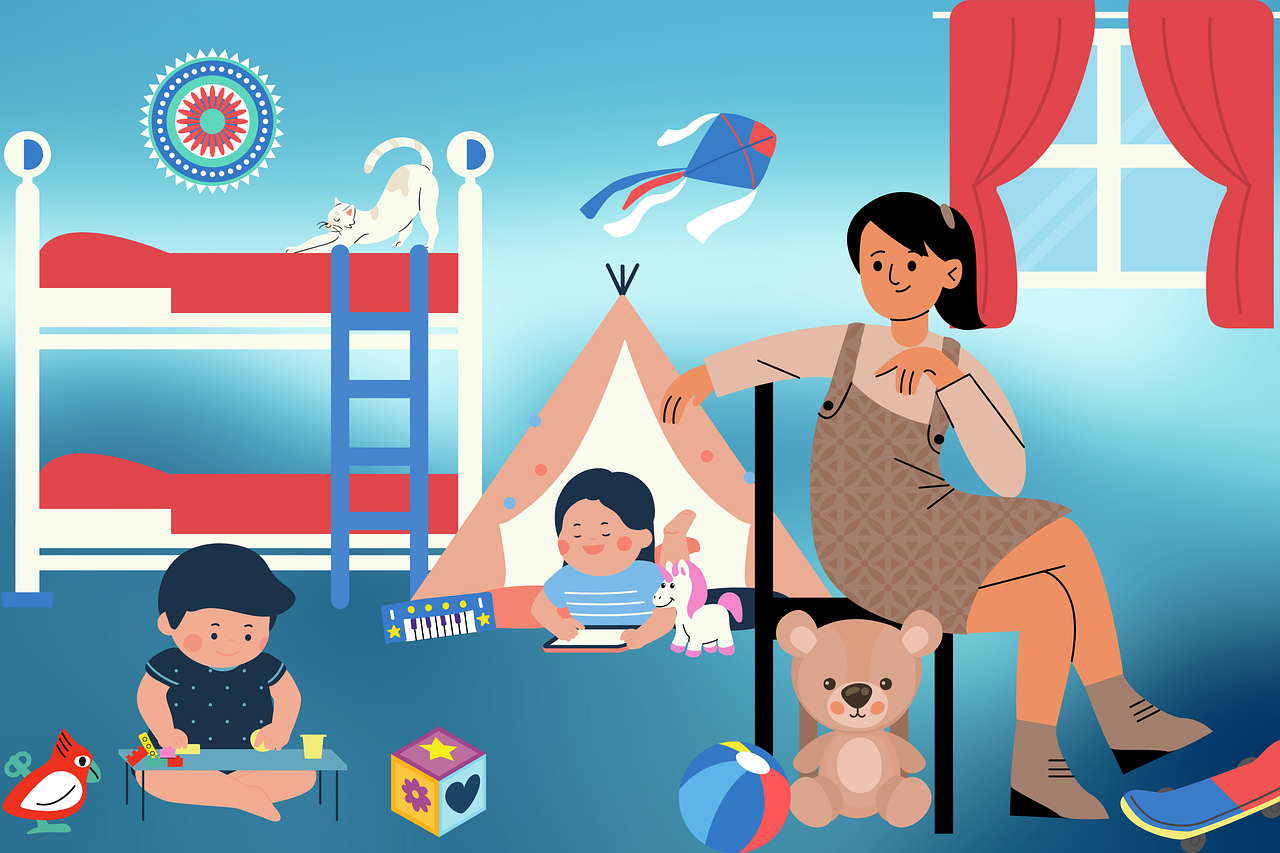
Your three-year-old is watching ants carry crumbs across the sidewalk. She’s been there for twenty minutes, completely absorbed. This is learning—real learning—and it’s happening without flashcards, worksheets, or a classroom.
Between ages 2 and 5, your child’s brain grows faster than it ever will again. By the time they blow out five candles on their birthday cake, their brain will have reached 90% of its adult size. But filling that growing brain with academic facts? That actually backfires. Kids who get pushed into reading and math too early often end up anxious about school and, surprisingly, do worse academically later on.
What Preschoolers Actually Need to Learn
Forget the alphabet apps and counting worksheets for a minute. Your preschooler needs something much simpler: time to mess around and figure things out. They need adults who talk with them (really talk, not quiz them). They need dirt to dig in and blocks to knock over.
You already have everything you need at home. Your kitchen, your backyard, even your laundry pile—these are perfect learning laboratories for a young child. You don’t need to turn your living room into a preschool classroom. In fact, please don’t.
Eight Areas Where Kids Grow
When early childhood educators talk about development, they look at eight different areas. These aren’t subjects like in school. They’re just different ways kids grow and learn, and they all overlap.
How Kids Learn to Learn
This is about the learning process itself. When your child tries seventeen different ways to get their tower to stand up, that’s what we’re talking about. Same thing when they ask “why is the sky blue?” and then “but why?” to your answer, and then “but why?” again. Some kids dive deep into one thing for hours. Others bounce from activity to activity. Both are learning how to learn.
Feelings and Friendships
This covers everything from recognizing “I’m mad” to figuring out how to share the red crayon. At home, kids work through emotions constantly—frustration when their block tower falls, joy when the dog licks their face, jealousy when their sibling gets the bigger cookie. Every one of these moments teaches them about feelings and relationships.
Moving and Growing
Young kids need to move. A lot. They need to run until they’re breathless, climb things that make you nervous, and spend forever trying to hop on one foot. They also need to work those tiny hand muscles—squishing playdough, picking up Cheerios, attempting to cut paper with safety scissors. Don’t forget the basics either: washing hands, brushing teeth, knowing not to touch the hot stove.
Words and Stories
Between two and five, kids go from “want cookie” to telling you elaborate stories about invisible dragons. This explosion happens through conversation, not lessons. Reading together matters, but so does just talking—about the garbage truck, about grandma’s house, about why worms come out when it rains. When they scribble and tell you it’s a shopping list, that’s early writing. When they recognize the McDonald’s sign, that’s early reading.
Numbers and Patterns
Math for preschoolers has almost nothing to do with worksheets. It’s counting chicken nuggets, noticing that the striped shirt has a pattern, figuring out who has more goldfish crackers, and discovering that the square block won’t fit in the round hole no matter how hard you push. Your daily life is full of math—you just have to notice it out loud.
Art and Imagination
Creativity isn’t just art class stuff. It’s making up songs in the bathtub, pretending the couch is a pirate ship, and yes, painting pictures (that look nothing like what they claim they are). The mess is part of it. The process of creating matters way more than whatever they create. That “doggy” that looks like a blob with sticks? Frame-worthy.
Exploring and Discovering
Every preschooler is a scientist. They do experiments constantly: What happens if I pour water on dirt? Can I make a bigger bubble? Why does ice turn into water? Your job isn’t to teach science but to explore alongside them. “I wonder what would happen if…” becomes your favorite phrase.
People and Places
This is about understanding family, community, and the wider world. It starts small—knowing that Aunt Sarah is mommy’s sister, understanding that we pay money for groceries, learning their address. Maps can be the route to the park. Economics can be saving quarters for the toy store. Geography can be remembering where grandpa lives.
Making Your Home Work for Learning
You don’t need a fancy setup. Start by getting things down to kid height. Put books where they can reach them. Keep paper and crayons in a drawer they can open. Have a step stool so they can help at the kitchen counter.
Think about your day’s rhythm. Not a minute-by-minute schedule—that’s torture for everyone. Just a general flow. Maybe mornings are for active play, after lunch is quiet time with books or puzzles, afternoons are for the park or backyard. Routines help kids feel secure, but flexibility keeps everyone sane.
For materials, simpler is usually better. Cardboard boxes become spaceships. Wooden spoons and pots make a drum set. Dirt, water, and cups can entertain for hours. Yes, you’ll want some good children’s books, basic art supplies, and maybe some blocks. But the expensive “educational” toys? Skip most of them.
Your Part in All This
You’re not playing teacher. You’re more like a really interested companion. When they show you the weird bug they found, you crouch down and look at it with genuine curiosity. When they’re struggling to zip their jacket, you wait a beat before helping, maybe saying “pinch it at the bottom first.”
You ask questions that don’t have right answers: “What do you think would happen if…?” You give them words for what they’re experiencing: “You’re frustrated because the pieces won’t fit.” You read the same book fifty times because repetition is how they learn.
Sometimes you set things up—putting out watercolors, suggesting building a fort, proposing a walk to collect leaves. Other times you follow their lead completely, becoming a patient in their doctor game or a customer in their pretend restaurant.
When Things Get Real
Parents worry about two big things: socialization and whether they’re qualified to teach.
About friends: Your child doesn’t need thirty classmates. They need some regular chances to play with other kids. This could be siblings, cousins, neighborhood friends, library story time, playground encounters. Quality beats quantity every time.
About your qualifications: You taught your child to walk, talk, and use the toilet—arguably harder than anything they’ll learn in preschool. You know your child better than any teacher could. You have time to go at their pace. When they’re interested in dinosaurs, you can spend three weeks on dinosaurs. Try doing that in a classroom with twenty other kids.
Moving Forward Without Freaking Out
Some days, your four-year-old will write their name backwards while singing a song they made up about poop, then have a meltdown because you cut their sandwich wrong. This is normal. Development is messy and uneven.
Your neighbor’s kid might know all their letters while yours can’t remember their last name but can identify seventeen different construction vehicles. Also normal. Kids develop in different areas at different speeds.
Start small. You don’t have to revolutionize your entire life overnight. Maybe begin by narrating what you’re doing as you cook dinner, letting them help measure ingredients. Or institute a daily walk where you really look at things—cracks in the sidewalk, shapes of leaves, sounds of birds.
Pay attention to what grabs your child’s interest and run with it. If they’re obsessed with garbage trucks, check out library books about trucks, count trucks, draw trucks, pretend to be trucks. This is curriculum enough.
Trust your instincts and trust your child. They have an internal drive to grow and learn that’s been working since birth. Your home, your relationship, your regular daily life—these provide everything your preschooler needs. Not because you’re doing something special or complicated, but because you’re doing something real: living and learning together.